OMBUDSMAN×JPTi
FROM SIGNING THE MOU TO REMEDY
JPTi and the Uzbekistan Ombudsman build on measurable progress through trust-based cooperation for stronger protection and a credible pathway towards GANHRI A status
27 August 2026 | Geneva
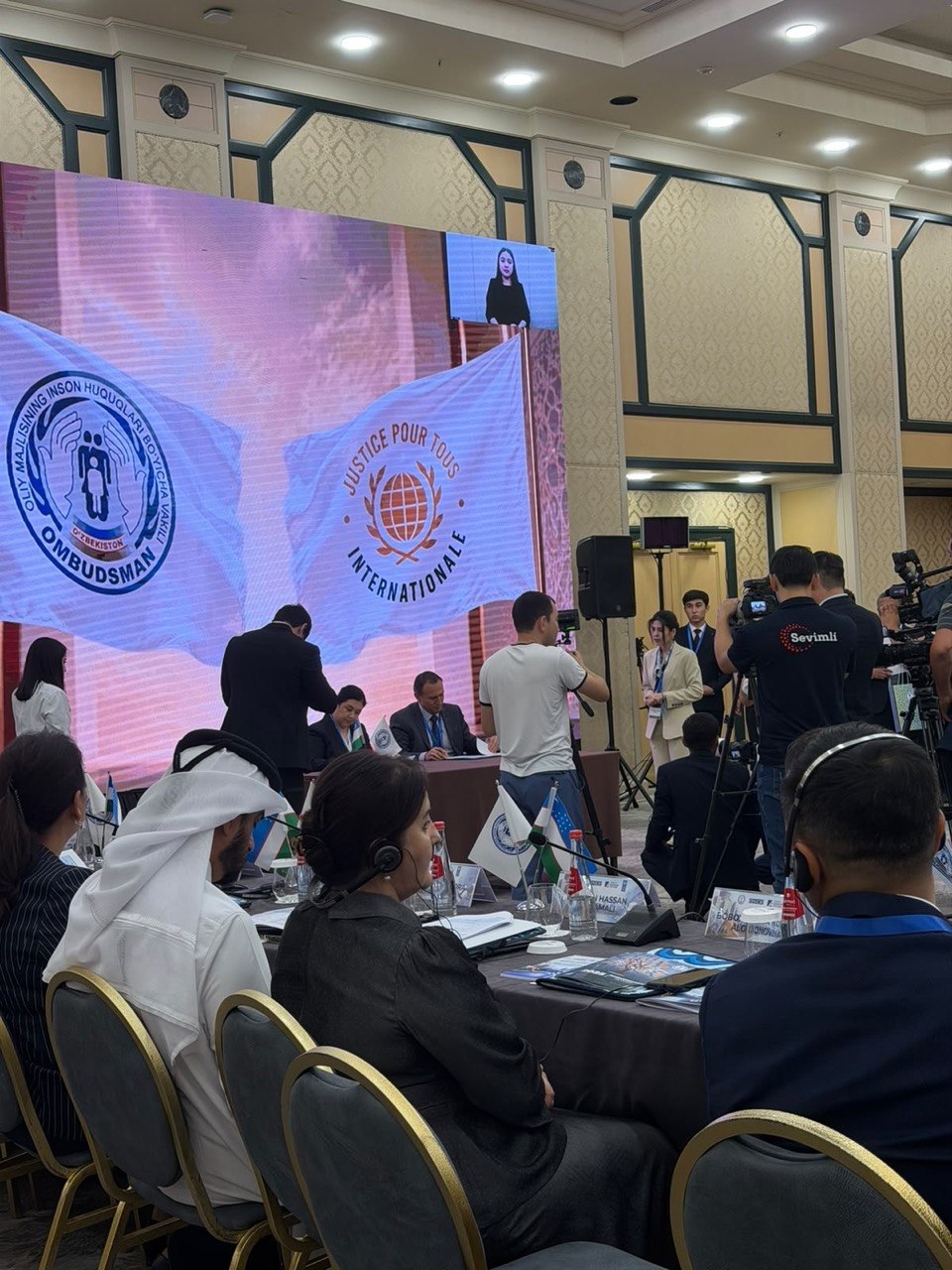
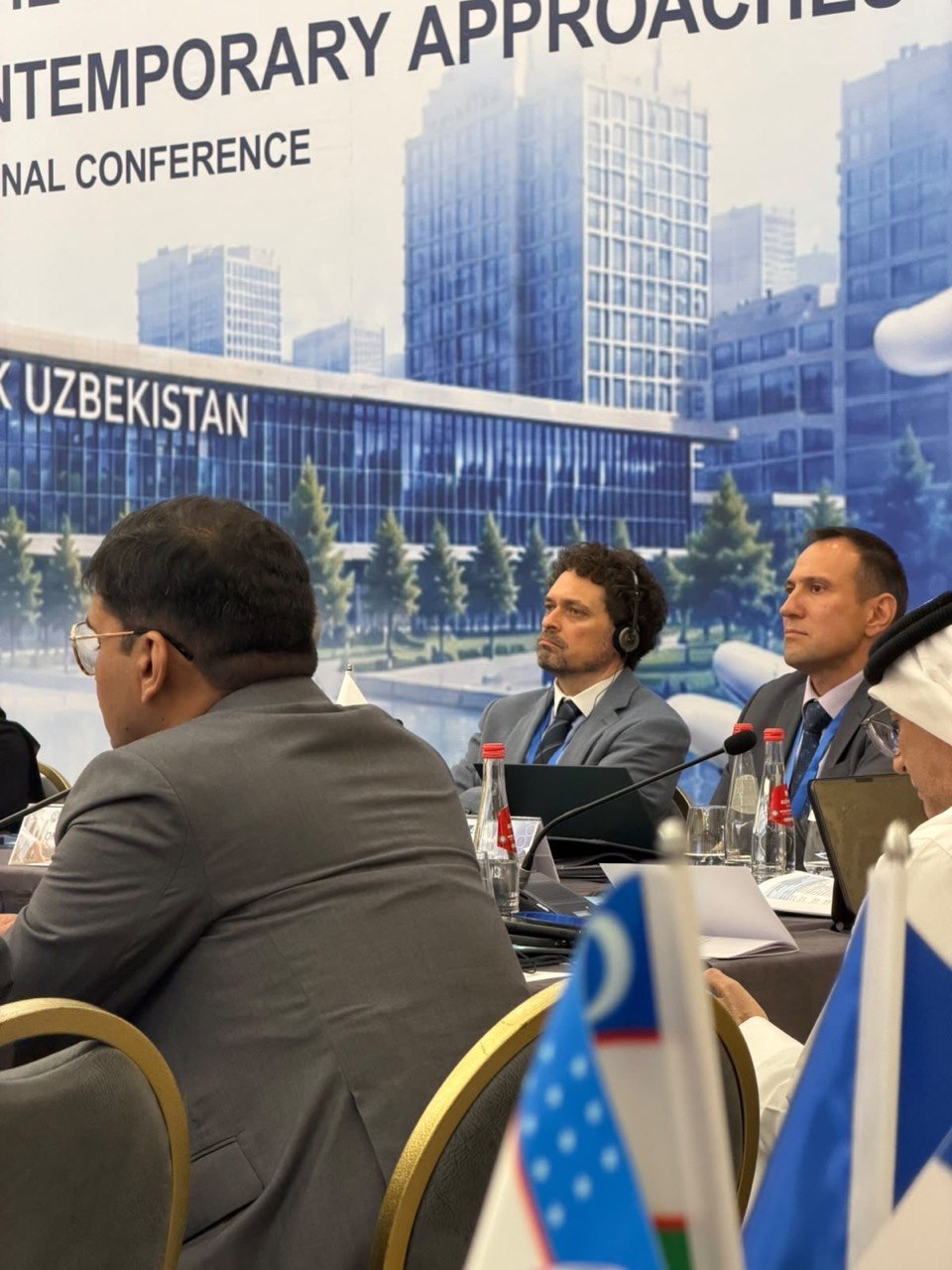
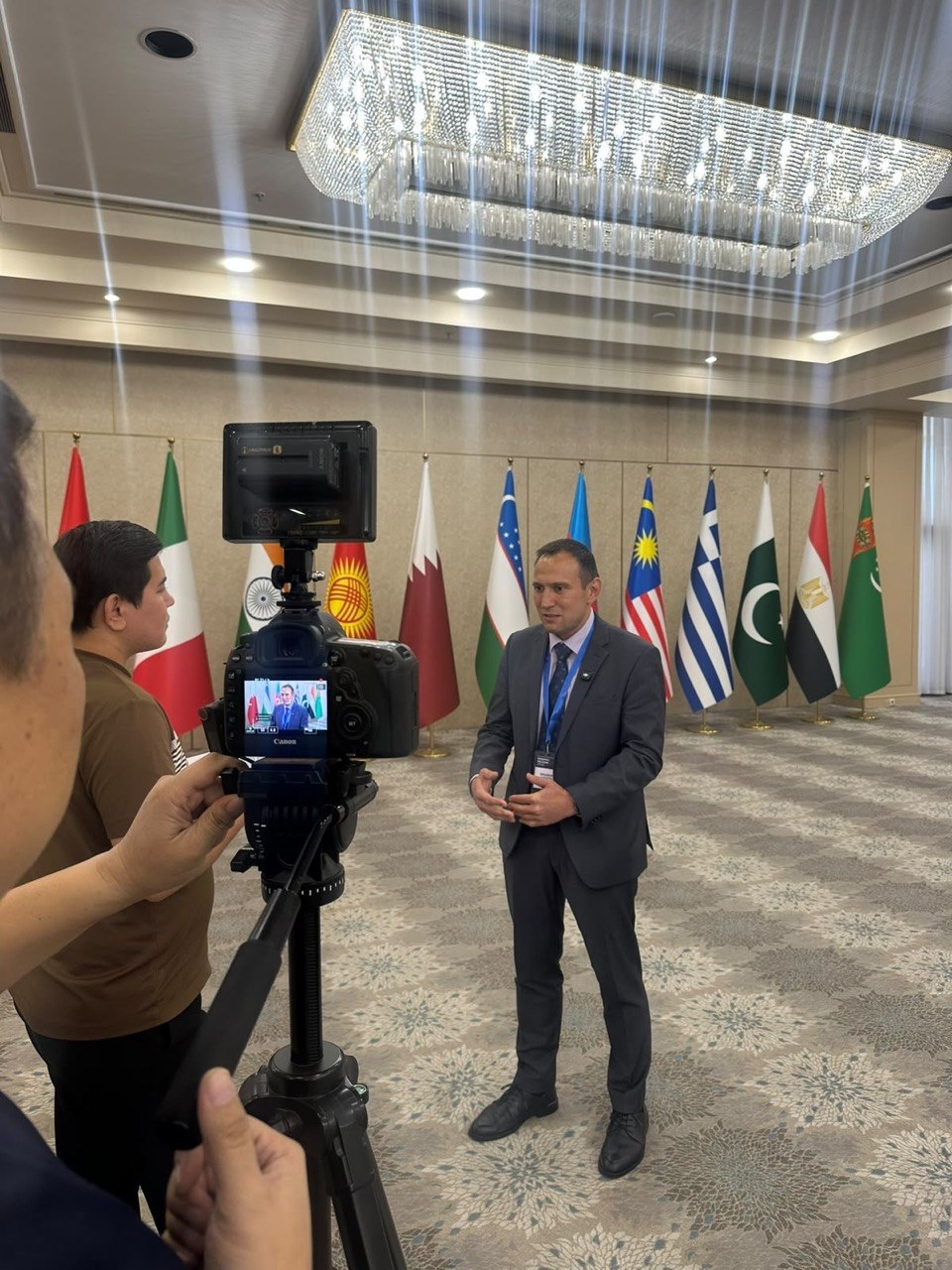
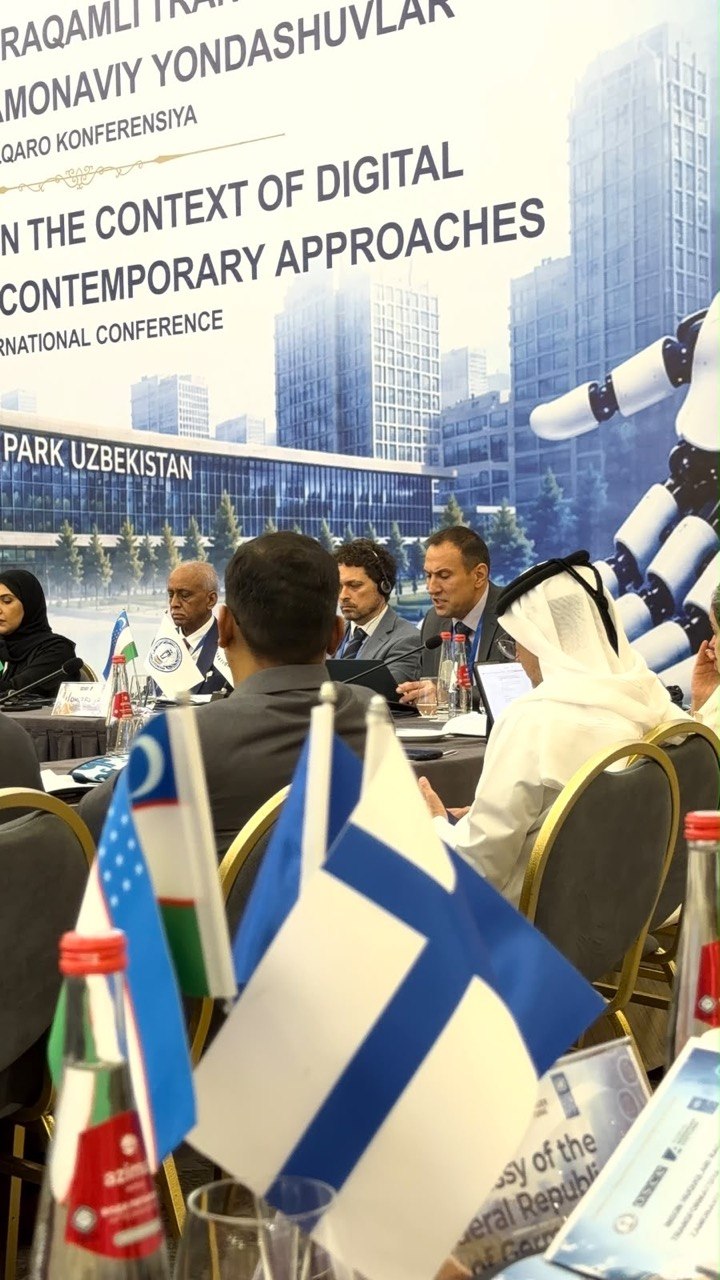
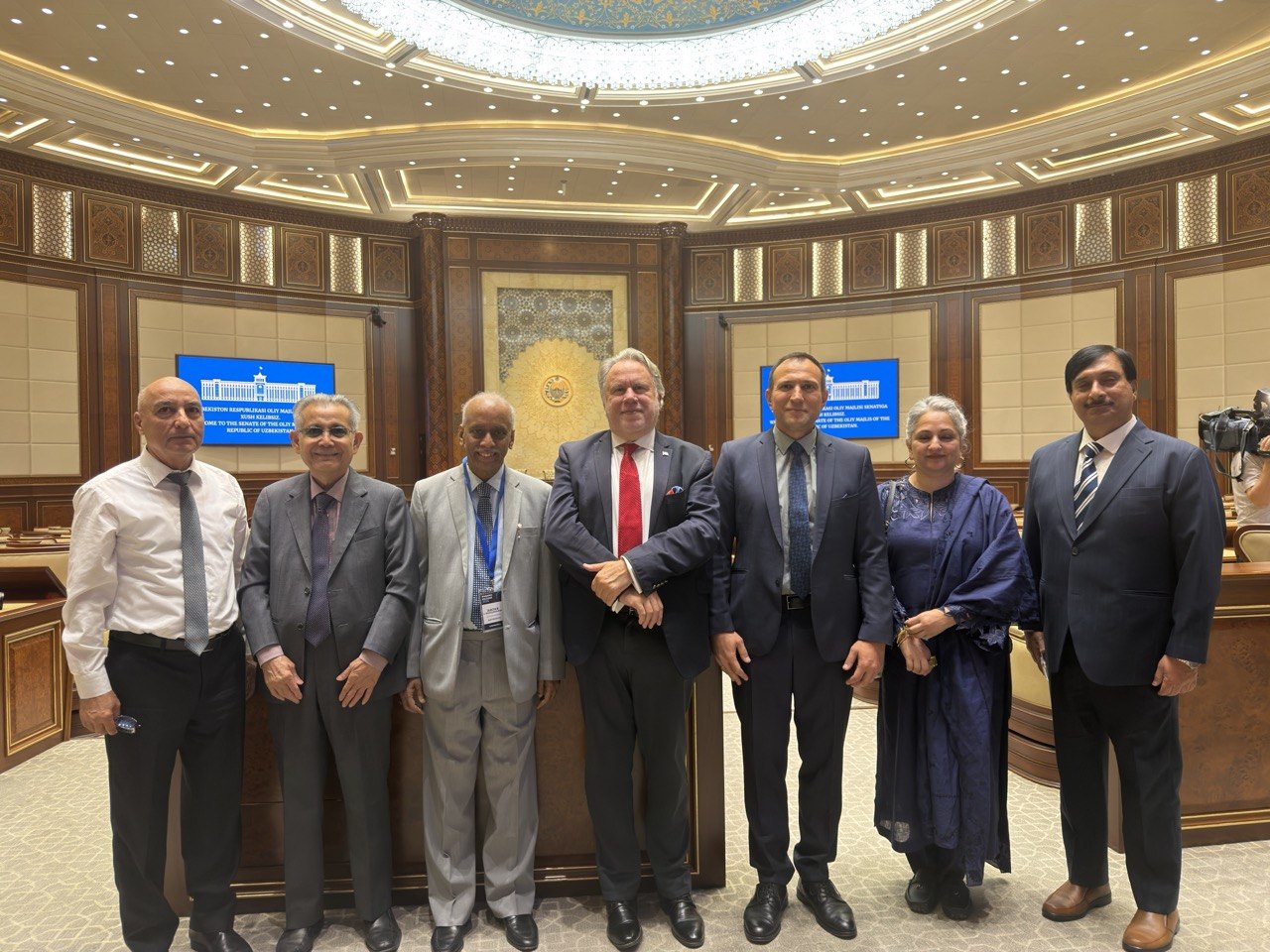
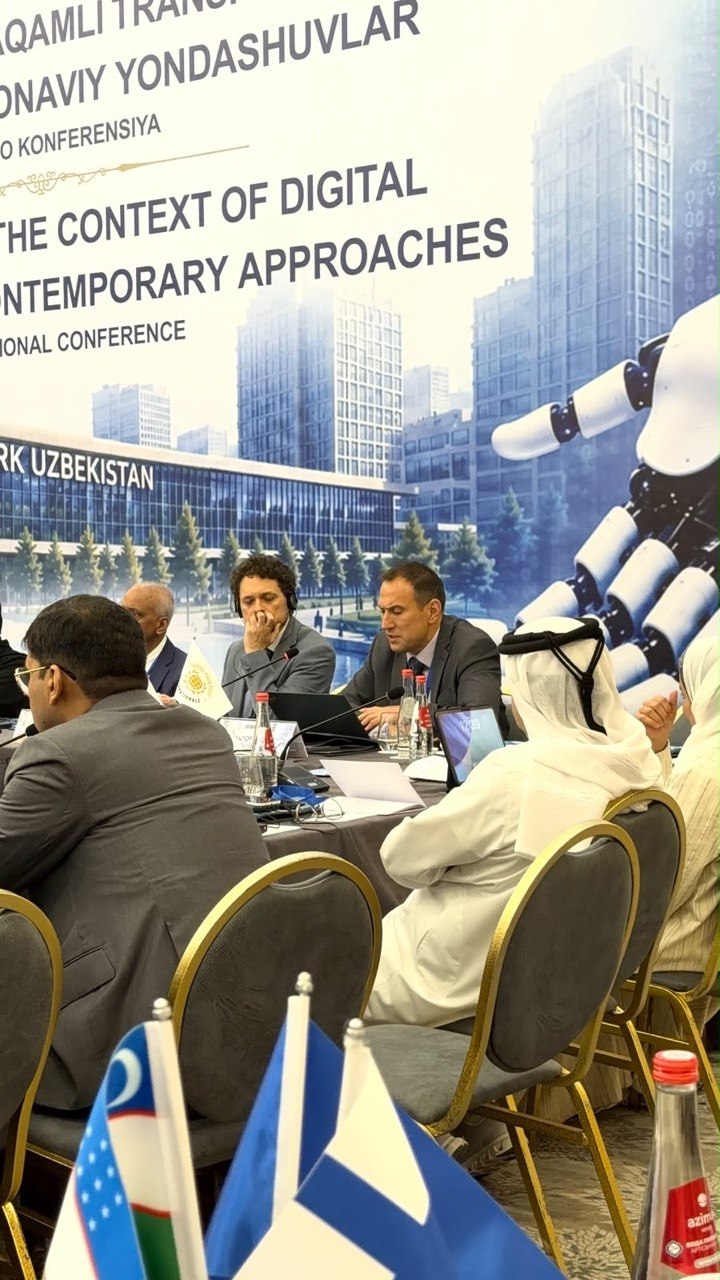
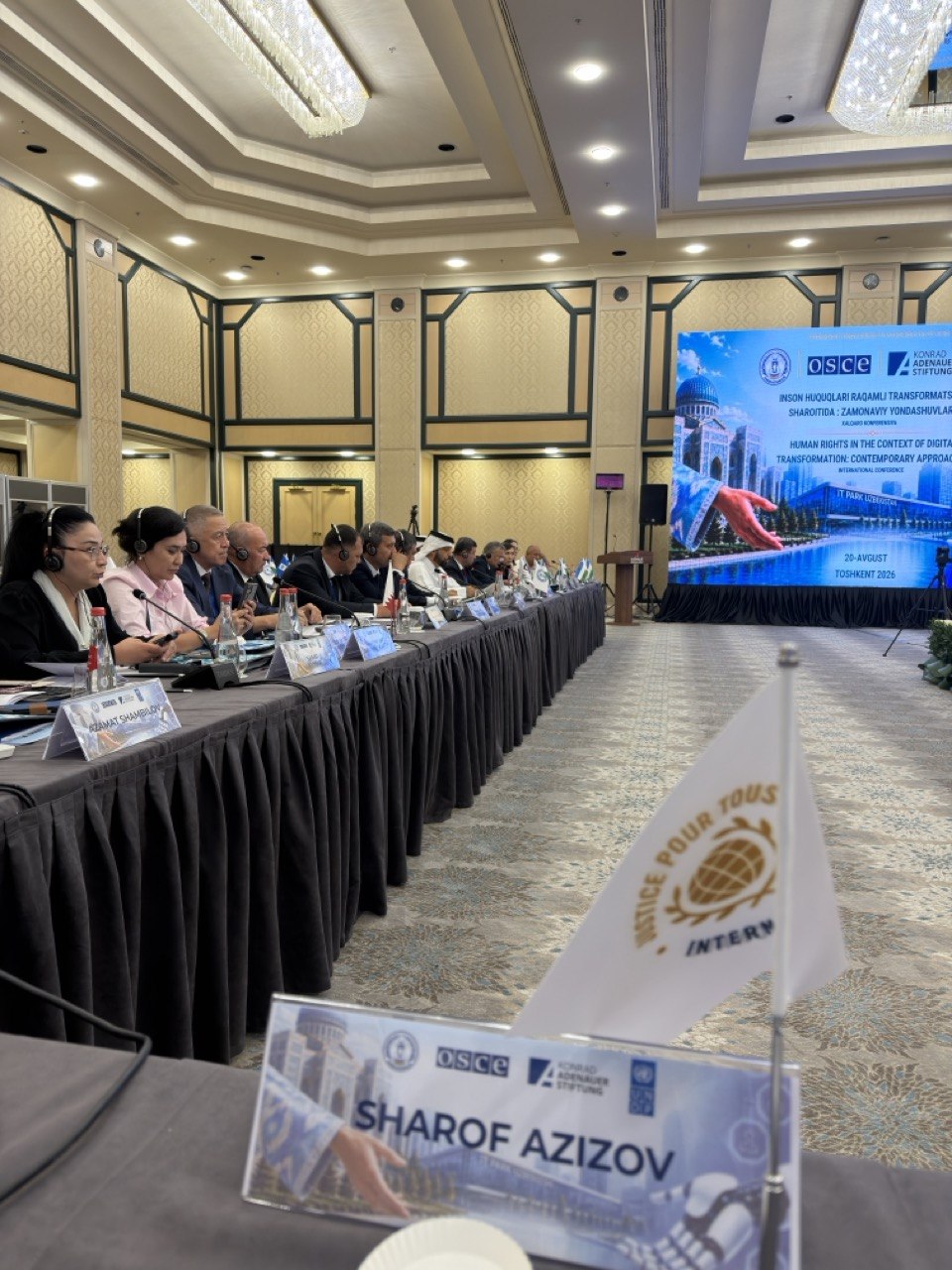
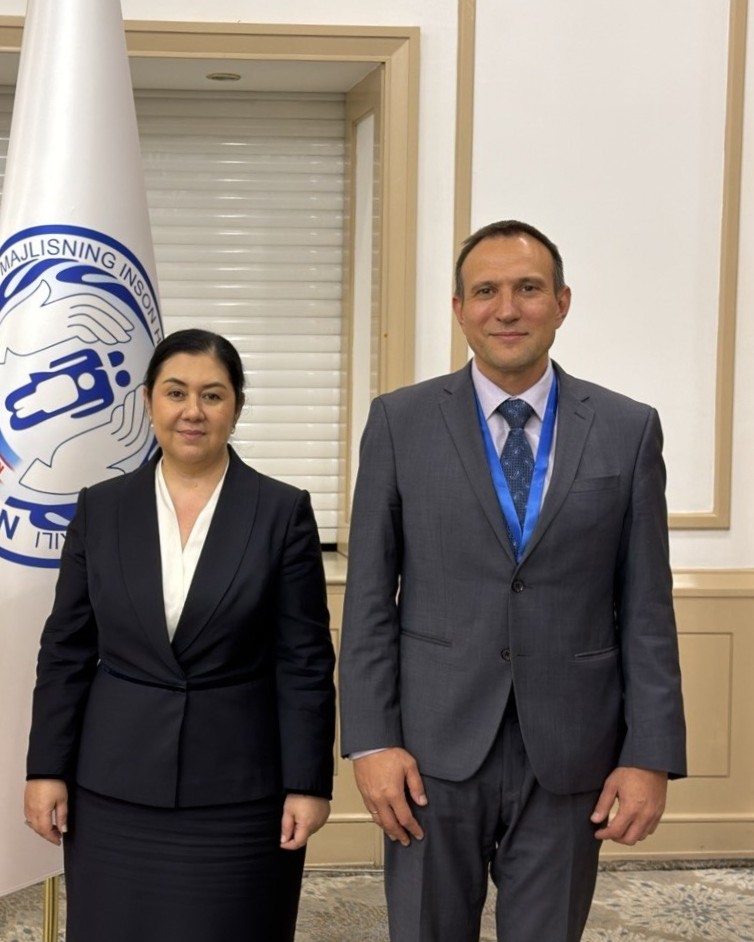
On 20 August 2026, Feruza Eshmatova, Commissioner of the Oliy Majlis of the Republic of Uzbekistan for Human Rights, and Sharof Azizov, Executive Director of Justice pour Tous Internationale (JPTi), signed a Memorandum of Understanding in Tashkent during the international conference “Human Rights in the Context of Digital Transformation: Contemporary Approaches.”
The agreement opens a new stage of practical, results-oriented technical, expert and institutional cooperation. It is founded on recognition of the important progress already achieved by the Uzbekistan Ombudsman and on confidence in the institution’s capacity to consolidate that progress through stronger procedures, clearer evidence of impact and continued independent engagement at the national and international levels.
JPTi approaches this cooperation with respect for the Ombudsman’s statutory authority, institutional knowledge and existing achievements. Its role is not to supervise, direct or certify the Ombudsman. JPTi will provide independent expertise only at the Ombudsman’s request and on priorities mutually agreed by the parties. The method will be based on trust, confidentiality, candid professional dialogue, institutional ownership and the shared objective of improving protection for every person who turns to the Ombudsman.
The Uzbekistan Ombudsman is not beginning from a blank page. It enters this partnership with a strengthened legal mandate, broad national reach, measurable protection results and a demonstrated willingness to improve. The purpose of cooperation is to build on that foundation and help make progress consistent, durable and fully demonstrable.
Progress already achieved deserves clear recognition
On 15 November 2024, the adoption of the revised Law on the Ombudsman significantly strengthened the institution’s legal foundation. The law expanded the Ombudsman’s powers, expressly recognised the authority to conduct independent inquiries, defined statutory response measures, introduced a right of legislative initiative, strengthened the role of regional representatives, placed public monitoring groups on a clearer legal basis and formalised mechanisms through which persons held in closed institutions can communicate with the Ombudsman.
These developments have been accompanied by substantial operational activity. According to the Ombudsman’s published results, in 2025 the Office received 26,372 appeals, 12.6 per cent more than in 2024. Appeals submitted through the virtual reception, hotline and mobile application increased by 125 per cent. The Office and its public monitoring groups conducted 954 visits aimed at preventing torture, held 5,487 individual interviews with persons deprived of liberty and met collectively with more than 11,000 people in closed institutions.
The same official reporting records concrete remedial outcomes. In 2025, more than UZS 10.6 billion was recovered in favour of citizens. The Ombudsman submitted 194 statutory response measures, helped restore the labour rights of 57 citizens, secured the cancellation of unfounded debts and contributed to disciplinary, administrative or criminal accountability for 118 officials whose conduct had violated human rights.
The first half of 2026 shows continued use of the strengthened mandate. The Ombudsman received 10,468 appeals, issued 70 response measures and reported that the examination of complaints resulted in criminal proceedings being opened in 12 cases. More than UZS 26.8 billion was recovered or secured for recovery in favour of citizens, predominantly in matters involving wages and labour relations. The Office and public monitoring groups conducted 521 visits to places where freedom of movement is restricted, held confidential interviews with 1,751 persons and submitted 23 measures to address shortcomings identified through monitoring.
The institution has also linked complaint analysis to law and policy. During the first half of 2026, it reviewed 42 draft laws and other regulatory instruments from a human rights perspective, submitted 34 proposals concerning 16 drafts, transmitted analytical material to Parliament and public authorities, and developed two draft laws, one of which was adopted by the Legislative Chamber.
These results are significant and deserve unambiguous recognition. They demonstrate accessibility, growing public use of the institution, active monitoring, increasing reliance on statutory measures, tangible remedies for individuals, engagement with civil society and a willingness to translate recurring complaints into legislative and systemic action.
Good practices provide a strong foundation for the next stage
The Ombudsman has developed several practices on which further institutional strengthening can confidently build. These include regular personal and regional receptions of citizens; multiple channels for submitting and tracking appeals; regional representatives able to examine matters on site; public monitoring groups involved in the prevention of torture; direct interviews with persons held in closed institutions; the use of claims, submissions, demands, warnings and conclusions; analysis of complaints for legislative purposes; public legal education through initiatives such as the “Ombudsman School”; and expanding engagement with international partners.
The preliminary discussion of the annual report with civil society representatives before its submission to Parliament is another constructive practice. It encourages openness, allows independent expertise to inform institutional reflection and helps connect public reporting with the concerns raised by applicants, non-governmental organisations and the media.
The signing of the Memorandum with JPTi is itself evidence of institutional openness. By inviting independent technical cooperation, the Ombudsman has demonstrated readiness to examine existing methods, retain what works, address remaining weaknesses and prepare a stronger evidence base for future accreditation. JPTi welcomes this confidence and will approach it responsibly.
Recognition of progress and identification of areas for improvement are not contradictory. Credible cooperation requires both. Praise without evidence would be superficial; criticism that ignored measurable achievements would be unfair.
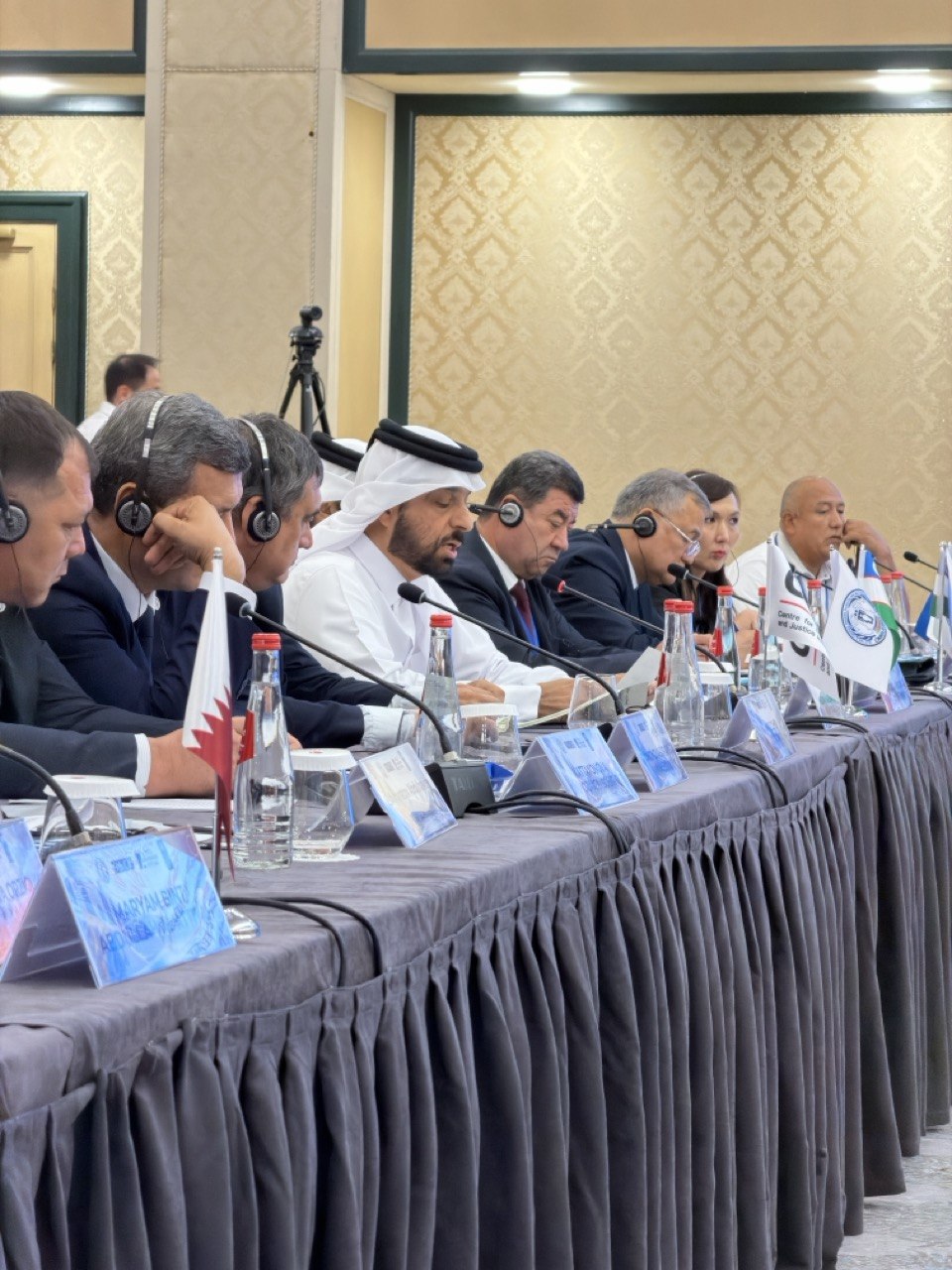
From demonstrated progress to full Paris Principles compliance
On 4 June 2026, GANHRI continued to list the Uzbekistan Ombudsman with B status. GANHRI explains that B status denotes partial compliance with the Paris Principles and is not necessarily an indication that an institution is ineffective. The question for a future upgrade is therefore not whether the Ombudsman has achieved anything. The official record plainly demonstrates important achievements. The question is whether the legal safeguards, working methods and protection outcomes, considered together, demonstrate the degree of independence, pluralism, consistency and effectiveness required for A status.
The 2020 SCA assessment provides a starting point, but it cannot be treated as a complete description of the institution in 2026. Since that assessment, the legal framework has changed, digital access has expanded, regional activity has been strengthened, monitoring has increased and the Office has reported significant remedial and legislative results. These developments should be documented carefully and presented as evidence of progress.
At the same time, a credible accreditation case will benefit from further consolidation. Relevant areas include transparent and participatory appointment safeguards; security of tenure; financial, staffing and operational autonomy; institutional pluralism; consistent complaint-handling across the central office and regional representatives; reasoned dispositions that clearly identify the human rights issue and the action taken; systematic follow-up to recommendations; independent thematic and annual reporting; and direct engagement with GANHRI, OHCHR and United Nations human rights mechanisms.
No external partner can guarantee an accreditation outcome, because only the SCA can assess the evidence and make the relevant recommendation. JPTi can, however, assist the Ombudsman in maximising the strength and credibility of its case by helping to identify progress, address remaining gaps and demonstrate how law, procedure and daily practice operate together.
Trust and confidence are the method of cooperation
The cooperation will be implemented through partnership, mutual respect, transparency and independence. It will begin by listening to the Commissioner, staff, regional representatives and relevant stakeholders, understanding the institution’s operating environment and identifying practices that already produce positive results.
Any assessment undertaken within the cooperation will be a technical tool requested by the Ombudsman and defined through a mutually agreed work plan. It will not be an external audit, an exercise of control or a transfer of statutory authority. Its purpose will be to recognise strengths, compare existing practice with the Paris Principles and relevant comparative experience, identify practical options and support decisions that remain entirely with the Ombudsman.
Trust does not require the avoidance of difficult questions. On the contrary, confidence-based cooperation creates the conditions for candid discussion without public embarrassment, institutional defensiveness or predetermined conclusions. JPTi’s contribution will combine respect with professional independence, and encouragement with evidence-based advice.
The parties will retain separate institutional voices. JPTi will not decide complaints, direct investigations, issue findings in the Ombudsman’s name or speak on its behalf. The Ombudsman will retain full ownership of its mandate, priorities, decisions, recommendations, reports and public positions.
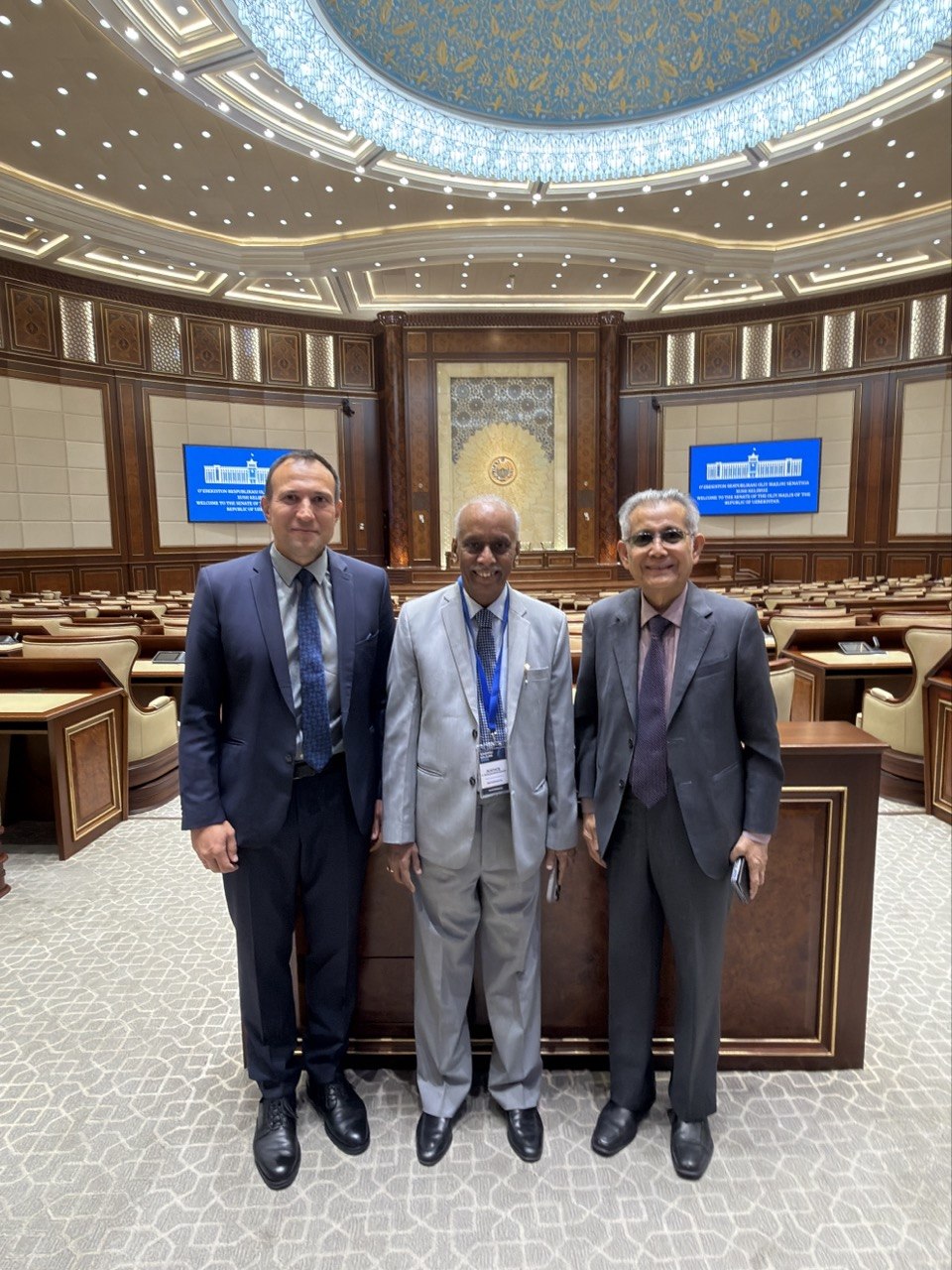
From an appeal to an implemented remedy
The Ombudsman’s reported outcomes show that the institution already uses a broad range of tools to restore rights: personal receptions, regional examination, monitoring visits, legal explanations, submissions, demands, warnings, conclusions, court claims, legislative proposals and implementation follow-up. The next stage is to consolidate these practices within a coherent and publicly understandable protection pathway.
An effective procedure begins with safe and accessible intake, timely registration, jurisdictional screening, identification of urgent concerns and protection against reprisals. It continues through an impartial assessment of credible information, application of domestic law and international human rights standards, and a reasoned institutional decision on the appropriate course of action.
Referral to another authority may be necessary and legitimate. Where the Ombudsman retains relevant powers, however, referral can form part of a wider protection process that includes an independent assessment, communication with the applicant, use of the appropriate statutory measure and follow-up on implementation.
A coherent internal rulebook can help ensure that good practices are applied consistently across leadership, central staff and regional representatives. It can govern jurisdiction, triage, urgent protection, evidence, inspections, deadlines, communication with applicants, confidentiality, referrals, reasoned dispositions, systemic cases, public reporting, implementation follow-up and the treatment of non-compliance.
JPTi can assist methodologically in developing such procedures and in designing indicators that demonstrate what happens after an appeal is received: whether an urgent concern was identified, whether the applicant understood the process, whether the Office reached an independent conclusion, whether a remedy was recommended, how the authority responded and whether implementation was monitored.
Digitalisation with human responsibility
The Ombudsman’s investment in digital accessibility is a positive institutional development. The website, virtual reception, hotline and multilingual mobile application make it easier to submit an appeal, monitor its progress and receive information. The sharp increase in digitally submitted appeals indicates that these channels are being used and that accessibility is improving.
Digitalisation and carefully governed automation may also help the Office manage workload, classify correspondence, detect urgent indicators, identify recurring patterns and support preliminary legal analysis. Such tools should strengthen rather than replace professional judgement. Decisions affecting a person’s rights, the credibility of evidence, the existence of a violation and the appropriate remedy must remain under meaningful human responsibility and institutional accountability.
An independent NHRI requires its own public voice
An effective NHRI must be able to express its own assessment of the national human rights situation. The Ombudsman’s annual reporting, legislative analysis and public communication already provide a platform for that role. The next opportunity is to deepen the institution’s independent voice through evidence-based annual and thematic reports that identify achievements, systemic concerns, implementation gaps and recommendations in the Ombudsman’s own name.
An independent NHRI submission must remain distinct from both the State report and civil-society submissions. At the Ombudsman’s request, JPTi may provide methodology, comparative research, drafting support, preparation for meetings and advice concerning international procedures. It cannot submit a document or speak on the Ombudsman’s behalf without prior written consent.
The objective is direct and confident engagement by the Ombudsman with GANHRI, the SCA, OHCHR, United Nations treaty bodies, the Human Rights Council and other appropriate mechanisms. International credibility is strongest when the Commissioner and the Office themselves explain the institution’s mandate, evidence, achievements, remaining constraints and programme of improvement.
What successful cooperation should achieve
Success should first be visible to the person seeking protection. The procedure should be accessible, respectful and safe. Urgent concerns should be identified promptly. The applicant should understand what the institution is doing. The outcome should be reasoned, and where a violation or credible human rights concern is established, the appropriate statutory response and remedy should be pursued and followed within the Ombudsman’s mandate.
Success should also be visible institutionally. Existing good practices should become consistent practice. Central and regional personnel should work from coherent procedures. Leadership should receive reliable information about delays, recurring violations, remedies, implementation and non-compliance. Complaint analysis should continue to inform monitoring, thematic inquiries, preventive action, legislative initiatives and public reporting.
Success should finally be visible internationally. A future accreditation file should not merely describe reforms; it should demonstrate a strengthened law, credible safeguards, consistent methods of operation, independent conclusions, implemented recommendations, effective cooperation with civil society and measurable improvements in human rights protection.
JPTi commends the Commissioner and the Office for the progress already achieved and for the institutional openness represented by this partnership. The remaining work should be approached with confidence, not as a repudiation of existing performance, but as the consolidation of a positive reform trajectory.
Protection before accreditation remains the governing principle. In Uzbekistan’s case, that principle begins by recognising the protection already delivered, strengthening the practices that produced it and ensuring that future progress is consistent, independent and convincingly evidenced. JPTi is ready to assist through a relationship founded on trust, confidence and mutual respect.